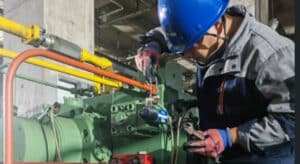
Few things disrupt production faster than a press that keeps shutting down. The machine runs for a few cycles, an alarm appears, and everything stops. Operators reset the system, production restarts—and then the same alarm returns.
In many cases, the press is not actually failing. Instead, the control system reacts to unstable or misinterpreted signals or conditions.
For technicians, the goal is not to silence alarms just to keep the press running. Trips and alarms are safety protections. The real goal is to identify the root cause so the machine can run safely at full capacity with fewer interruptions.
Below are the first areas technicians should focus on when troubleshooting repeated trips and alarms.
Compare Alarm Thresholds to Real System Limits
- Review pressure, temperature, and motion alarm setpoints.
- Compare alarm limits with the press’s normal operating range.
- Check whether thresholds were changed during past troubleshooting.
- Identify alarms that trigger during normal production conditions.
- Confirm alarm limits reflect real system risk—not outdated settings.
Watch When Trips Occur in the Cycle
- Identify exactly when alarms appear in the press cycle.
- Look for trips during tooling engagement or material contact.
- Watch for alarms during motion reversal or rapid speed changes.
- Check whether multiple hydraulic functions are moving at once.
- Determine if short load spikes are triggering the alarms.
Verify Sensor Accuracy and Signal Stability
- Inspect pressure, temperature, and position sensor readings.
- Watch for signal fluctuations or electrical noise.
- Confirm sensors are properly calibrated.
- Inspect wiring and connectors for loose or damaged connections.
- Identify sensors that may be drifting or slow to respond.
Separate Safety Functions From Performance Controls
- Review recent changes made to motion speeds or pressure control.
- Confirm safety limits were not altered during performance tuning.
- Ensure production adjustments do not affect safety protections.
- Verify protective shutdowns operate independently from performance controls.
Study Alarm History Instead of Single Events
- Review alarm logs stored in the control system.
- Look for repeated alarms during the same stage of the cycle.
- Identify clusters of alarms during heavy production periods.
- Compare alarm frequency across shifts or production runs.
- Use patterns to narrow down likely causes.
Stable Systems Run With Fewer Interruptions
Frequent trips and alarms are rarely random. They usually come from unstable signals, load spikes, or outdated alarm settings—not equipment failure.
When technicians review alarm thresholds, cycle timing, sensor signals, and alarm history, the real cause usually becomes clear.
Fixing those issues allows presses to run smoothly, operators to trust the equipment, and production to continue without unnecessary shutdowns.
Why Partner With Oilgear
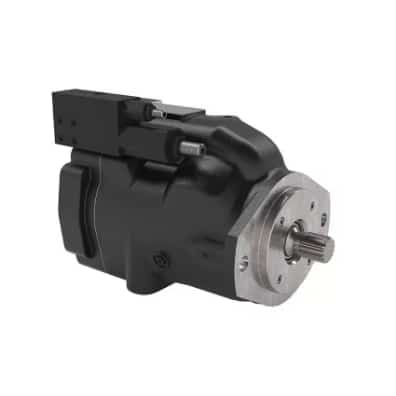
Keeping presses running safely at full capacity becomes much easier when service teams have access to deep hydraulic expertise. Partnering with The Oilgear Company gives technicians and engineers support from specialists who understand how pumps, valves, power units, and control systems behave under heavy industrial loads.
Through system assessments, troubleshooting support, and targeted upgrades, Oilgear helps teams identify the real causes behind repeated trips and alarms—whether they come from unstable pressure supply, control interactions, sensor issues, or internal hydraulic wear.
Instead of reacting to alarms after they appear, Oilgear helps teams address the underlying conditions that create them. The result is fewer nuisance trips, clearer diagnostics when problems occur, and presses that can operate safely and reliably at full production capacity.