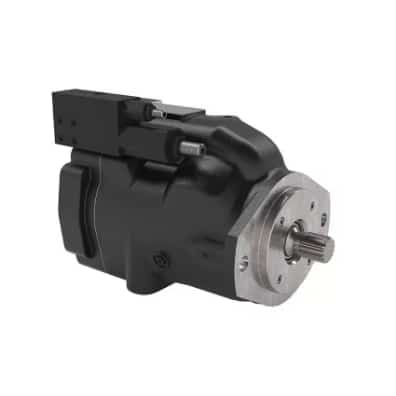
Many maintenance teams spend most of their time responding to breakdowns. A pump fails, a valve sticks, or a press stops during production. Technicians rush to fix the problem so the machine can run again
But when the same failures keep happening, reactive work slowly takes over the entire schedule. Planned maintenance gets delayed, upgrades never happen, and technicians spend more time responding to emergencies than improving system reliability.
Shifting labor from reactive work to planned preventive maintenance (PM) is one of the most effective ways to stabilize equipment performance. The goal is not just to fix problems when they appear, but to identify patterns and prevent them from returning.
Below are several areas technicians and maintenance teams should focus on to make that shift.
Look for Repeat Failure Patterns
- Track which components fail most often across presses or power units.
- Identify patterns instead of treating each failure as a separate event.
- Ask whether pumps, valves, seals, or sensors are failing earlier than expected.
- Look for common operating conditions tied to those failures.
- Focus troubleshooting on the root cause, not just the damaged component.
Schedule Inspections Based on Duty Cycles
- Review how often presses run and how hard they are working.
- Adjust inspection frequency for machines operating near full capacity.
- Increase checks on equipment exposed to high heat, heavy loads, or contamination.
- Avoid relying only on fixed calendar schedules for PM tasks.
- Align inspections with actual machine workload and operating stress.
Use PM Findings to Support Targeted Upgrades
- Document recurring issues found during inspections.
- Identify components that repeatedly show wear or instability.
- Use data from PM checks to justify design improvements.
- Recommend upgrades that reduce system stress or improve control stability.
- Focus on long-term reliability rather than short-term repair.
Reduce Emergency Work by Stabilizing Root Causes
- Identify conditions that repeatedly lead to breakdowns.
- Investigate pressure instability, heat buildup, or contamination sources.
- Correct underlying system issues instead of repeatedly replacing parts.
- Monitor improvements after corrective actions are taken.
- Measure success by reduced emergency calls and fewer unexpected shutdowns.
Capture Field Knowledge Before It Is Lost
- Document troubleshooting steps used during major repairs.
- Record lessons learned from repeated failures or unusual system behavior.
- Share this information with newer technicians and maintenance planners.
- Create simple reference guides based on real field experience.
- Preserve critical system knowledge before turnover or outsourcing removes it.
Planned Maintenance Builds More Reliable Systems
When maintenance teams focus only on emergency repairs, the same problems recur. Machines run, but they never become more stable.
By identifying repeat failure patterns, scheduling inspections based on real workloads, and using PM findings to support targeted upgrades, teams can shift their time toward preventing problems rather than chasing them.
Over time, this approach reduces emergency repairs, extends equipment life, and gives technicians more control over how they spend their time.
Why Partner With Oilgear
Improving maintenance strategy often requires more than internal resources alone. Partnering with The Oilgear Company helps service teams move from reactive repairs to more structured reliability practices.
Oilgear specialists understand how hydraulic presses and power units behave under heavy industrial loads. Through system assessments, failure analysis, and targeted upgrade recommendations, Oilgear helps maintenance teams identify the conditions that lead to repeat failures.
Instead of simply replacing components, teams can focus on correcting the system issues that cause them to fail. The result is fewer emergency repairs, better use of technician time, and hydraulic systems that become more stable and reliable over the long term.