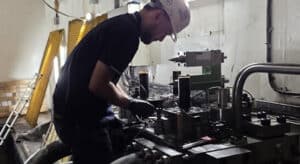
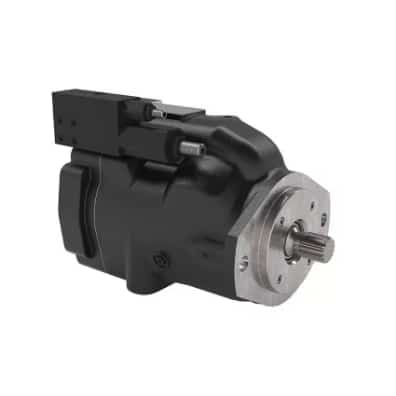
Hydraulic presses that work hard every day can wear out faster. It’s not because they’re poorly made, it’s because heavy use adds stress over time. As a service technician, what you do can make a big difference in how long pumps, valves, and power units last. Making equipment service last longer isn’t about slowing down production. It’s about spotting signs of stress early and fixing problems before parts fail.
Focus on Heavily Used Presses
Not every press works the same. Some only run short jobs, while others make large, heavy parts all day long. The hard-working ones wear out much faster. When you work on these machines, pay close attention to pressure, temperature, and how the cycle runs. If the press is always near its maximum pressure or speed, even small problems can quickly become expensive breakdowns.
Watch for Rising Maintenance Costs
If repair costs keep going up year after year, something else is likely wrong. When a press keeps damaging pumps, seals, or valves, the issue usually isn’t just bad parts, it’s something in the system. Replacing parts over and over won’t fix the real problem. Ask yourself: Is this pump failing too soon? Are we always replacing the same valve? Patterns like that point to bigger issues such as too much pressure, heat, or dirty oil.
Control Heat
Heat is one of the biggest enemies of a hydraulic system. Hot oil wears out parts faster and breaks down the oil itself. When oil gets too hot, it loses lubrication and can cause seals to crack or leak. Don’t wait for alarms—check coolers, fans, and heat exchangers. Look for internal leaks that add heat. Even lowering oil temperature a little can make parts last much longer.
Check Older Power Units
Older power units can cause trouble if they haven’t been checked in a long time. Pumps, motors, and filters all weaken over years of use. When servicing older units, take simple reading like pressure, temperature, noise, and vibration. These checks help you spot issues early before a major failure happens.
Don’t Ignore Mechanical Problems
Mechanical problems often cause hydraulic issues. Parts that are out of alignment or loose make the hydraulic system work harder. That raises pressure and speeds up wear. If a press moves unevenly, gets stuck, or sounds louder than usual, it could be a mechanical issue. Fixing those problems early can save the hydraulics from damage later.
Avoid Quick Fixes That Add Stress
Turning up the pressure or speed might help production in the short term, but it shortens equipment life. Any changes like that should be documented and reviewed, not hidden in a settings menu. Smooth motion matters too—fast starts or sudden stops can shock the system and damage parts. If the press moves roughly, it needs attention. Small adjustments can make it run smoother and last longer.
Learn from Breakdowns
Every breakdown is a chance to learn. Ask what really caused the failure—was it heat, heavy loads, bad alignment, or dirty oil? Finding those root causes helps prevent the same issue next time.
Working with Oilgear
Service teams can extend the life of presses and power units more effectively when they have expert support. Oilgear specializes in hydraulic systems and understands how pumps, valves, and power units wear over time.
By working with Oilgear, service teams get help through system checks, troubleshooting, and equipment upgrades. Oilgear helps find where problems come from—whether it’s heat, stress, leaks, or mechanical issues—and shows how to fix them. Partnering with experts means fewer breakdowns, better performance, and longer-lasting machines.
Keeping the press healthy isn’t about guessing, it’s about knowing where the stress is and managing it the right way.