Advantages
The three main advantages: lower mechanical loading, variable delivery with reduced ripple, and pump skid layout flexibility. These are the main differences between the TRANSFER BARRIER Pump and a conventional crankshaft pump.
Applications
LNG and cryogenic service and for other high-pressure fluid transfer applications.
System Layout
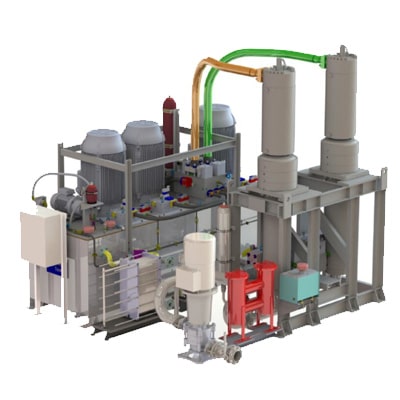
The four main sections in the system: hydraulic power unit, pump cylinder assemblies, electrical controls, and process equipment around the cold end. This layout supports skid integration and remote placement of key components when needed.
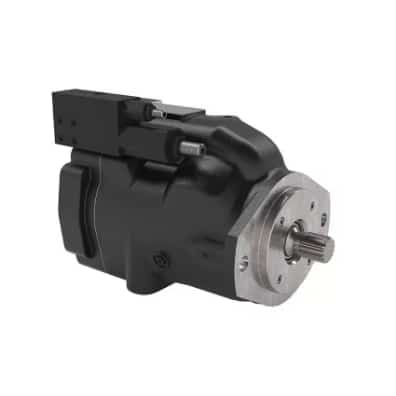
Hydraulic power unit Includes prime mover, variable displacement, pumps, tank, manifold, and cooling equipment.
Pump assemblies Two cylinder assemblies with inlet and outlet valves for process-side transfer.
Controls Electrical enclosure, HMI, remote control, interlocks, and operating data.
Process euqipment Cold-end and related equipment matches to LNG and cryogenic service.
Pump System Specifications and Application Example
| Parameter | Reference value | Why it matters |
|---|---|---|
| Requested flow | 3000 L/min at 60 bar | Shows use as a high-flow LNG transfer pump for pipeline maintenance and fluid movement. |
| Adjustable delivery range | 200 to 3000 L/min | Supports variable flow operation instead of fixed delivery pumping. |
| Field result shown | 3024.45 L/min achieved on site | Confirms site-tested performance near the requested delivery target. |
| Inlet and outlet pressure conditions | 5 to 60 bar | Indicates the pressure window used in the LNG application description. |
| Ambient conditions | -40 degrees C to +35 degrees C | Relevant for transportable or outdoor pumping equipment in cold climates. |
| Hydraulic power unit example | 470 kW diesel-engine-driven HPU | Shows complete package capability for mobile or remote deployment. |
| Pressure capability noted elsewhere | Up to 1000 bar or more | Expands SEO relevance into high-pressure hydraulic pump system searches. |