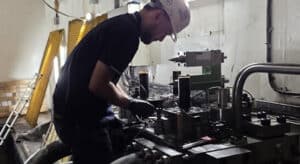
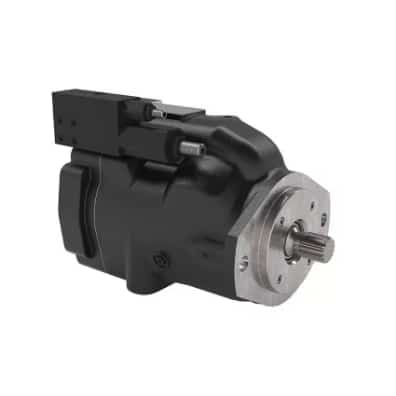
Many maintenance teams have skilled technicians and experienced engineers, yet certain equipment problems keep returning. A press trips unexpectedly, motion becomes unstable, or a component fails sooner than expected. The machine gets repaired, production resumes, and weeks later the same issue appears again.
In many cases, the problem is not a lack of effort—it is a lack of structured troubleshooting capability. When teams rely only on individual experience instead of shared processes and system knowledge, diagnosing complex equipment issues becomes slower and less consistent.
Building stronger in-house troubleshooting capability helps maintenance teams solve problems faster, prevent repeat failures, and reduce reliance on outside support. It starts with improving how technicians understand and diagnose the systems they work on every day.
Below are several areas engineers often examine when evaluating troubleshooting capability within a plant.
Strengthen Understanding of System Architecture
- Ensure technicians understand how the entire hydraulic system is designed to operate.
- Review how pumps, valves, cylinders, sensors, and controls interact.
- Explain the original intent behind the system design and motion sequences.
- Identify how different subsystems affect each other during operation.
- Encourage technicians to think about system behavior, not just individual components.
Distinguish Between Hydraulic, Mechanical, and Control Issues
- Train technicians to recognize symptoms linked to each type of problem.
- Hydraulic issues may appear as pressure instability, heat, or slow motion.
- Mechanical issues may show up as binding, misalignment, or uneven wear.
- Control problems may involve sensor feedback, signal noise, or tuning instability.
- Separating these categories early speeds up troubleshooting.
Use Standardized Diagnostic Workflows
- Develop step-by-step troubleshooting procedures for common equipment issues.
- Start with basic checks before moving to complex diagnostics.
- Document what measurements should be taken and where.
- Use consistent testing methods so results can be compared over time.
- Standard workflows reduce guesswork and improve diagnostic accuracy.
Maintain Baseline Data and System Trends
- Record normal operating values for pressure, temperature, and cycle times.
- Store this data so technicians can compare it with current readings.
- Track trends that indicate gradual system changes.
- Identify when equipment performance begins drifting from normal behavior.
- Baseline data turns troubleshooting into a data-driven process.
Capture Lessons From Failures
- Conduct post-failure reviews after major equipment issues.
- Document what caused the failure and how it was diagnosed.
- Record the corrective actions taken to solve the problem.
- Share lessons learned with the entire maintenance team.
- Build internal knowledge so future technicians can diagnose similar issues faster.
Strong Troubleshooting Skills Improve Reliability
When technicians have a clear understanding of system design, structured diagnostic methods, and access to reliable data, troubleshooting becomes much more effective.
Problems are solved faster, repeat failures become less common, and maintenance teams gain confidence in their ability to manage complex equipment.
Over time, stronger troubleshooting capability leads to more stable equipment performance and fewer disruptions to production.
Why Partner With Oilgear
Even strong maintenance teams benefit from expert guidance when troubleshooting complex hydraulic systems. Partnering with The Oilgear Company gives your technicians and engineers access to hands-on training and mentorship from specialists with deep experience in hydraulic presses, power units, and high-load industrial systems.
Oilgear works directly with your team to teach structured troubleshooting methods, explain system behavior, and share real-world problem-solving strategies. This mentorship helps your team build confidence, improve diagnostic accuracy, and resolve recurring issues more independently.
Training programs available include:
- Hydraulics for Forging Service Technicians – Practical hydraulic knowledge tailored to forging presses and power units.
- Controls for Forging Technicians – Understanding control systems, tuning, and feedback analysis in forging operations.
- Hydraulics for Extrusion Service Technicians – Focused on extrusion press hydraulic systems, pressures, and energy efficiency.
- Controls for Extrusion Service Technicians – Advanced training on sensors, motion control, and system stability in extrusion presses.
Through these programs and ongoing mentorship, Oilgear ensures your team develops lasting in-house troubleshooting skills. The result is faster problem resolution, fewer repeat failures, and a stronger, more self-sufficient maintenance team that keeps presses running reliably at full capacity.